The short answer
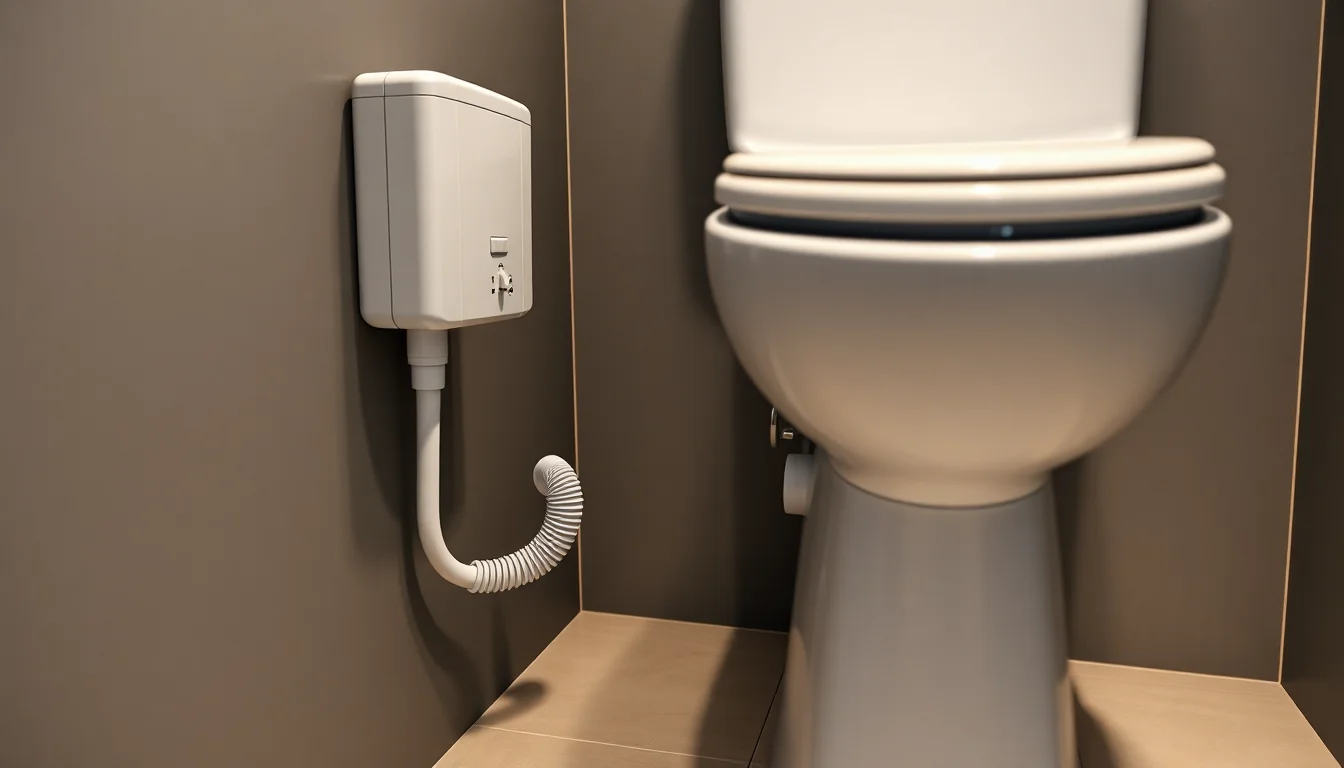
A macerator toilet pumps waste away when gravity cannot. Most faults involve a switch, a valve, a blade or a blocked pipe. If yours fails, switch it off at the isolator and stop flushing. Then ask a plumber to look, because running it on can make things worse.
Six faults and what they may mean
These are common patterns, not a diagnosis. The unit and the pipework decide the real cause, so treat the list as a guide.
- It will not flush. A float switch may be stuck, or the power may be off.
- It hums but does not stop. The blade may jam, or the outlet may block.
- It trips a fuse. The motor may be seized, or water may have reached the wiring.
- It leaks at the base. A seal or a pipe joint may be worn.
- It drains slowly. The discharge pipe may be partly blocked.
- It smells. A valve may not be sealing, so odours travel back.
Our Saniflo and macerator repair service covers the diagnosis. Use the form to describe the symptoms, since that helps the engineer plan.
Three parts behind many faults
Three parts account for many breakdowns, although others can fail.
- The float switch. It tells the motor when to start. Limescale or debris can hold it down.
- The non-return valve. It stops waste flowing back after the pump runs. A faulty one can cause smells or slow draining.
- The cutter blade. It breaks up waste. Wipes and sanitary items are common causes of a jam.
The chamber is sealed, so opening it without the right tools is risky. That is why on-site diagnosis beats guesswork.
What not to flush
Water industry guidance is simple. Thames Water’s Bin it page says only pee, poo and toilet paper belong in a toilet. Wipes, period products, nappies and cotton wool cause blockages. That advice matters even more with a macerator.
Check the maker’s instructions for your unit too, because they may list extra items to avoid. Read our guide to why drains block for more on what goes wrong downstream.
Stop, switch off, then call
If the unit hums, trips the fuse or backs up, switch it off at the fused spur. Do not keep resetting the fuse. A motor that fights a jam can overheat and fail for good, while more waste in a full chamber can overflow.
If sewage reaches the floor, treat it as urgent. Keep people and pets away. Then follow the first 10 minutes of a plumbing emergency.
Repair or replace?
Two price guides help you decide, while a third factor is age. Fantastic Services puts a Saniflo repair at £90 to £250 including VAT. PumpMaster quotes about £125 plus VAT for a domestic visit, with parts extra. Fantastic Services says a unit often lasts 10 to 15 years.
A new unit costs roughly £300 to £600 according to Trade2Base. When a repair nears that figure, replacement often gives better value. Check your warranty first, since a repair by the wrong person may affect it. These are guides, not our prices.
If you plan a new bathroom, our bathroom fitting cost guide shows the other costs. Our bathroom installation service also covers new layouts.
Other bathroom and heating faults
A macerator fault is not always the only problem. If the room also has a leak, read the signs of a burst pipe. If the outside drain overflows, see a blocked drain outside the house. Drain trouble varies by town, while blocked drains across the Nene Valley compares four.
Heating faults can appear in the same room. If a radiator stays cold, read radiator cold spots. If the boiler shows an error, see boiler fault codes. The boiler pressure guide covers pressure problems. An ageing boiler may need the new boiler cost guide.
Frequently asked questions
Why has my Saniflo stopped completely?
A stuck float switch or a power problem is a common cause. Check the fused spur, then stop flushing and get it looked at.
Why does it hum but not pump?
The blade may jam, or the outlet may block. Switch it off, because running it in that state can damage the motor.
Can a macerator be repaired?
Often yes, since switches, valves and seals can change. However, a failed motor or an old unit may point to replacement.
Ask for help
Use the online form and describe the symptoms. Mark it urgent if waste is reaching the floor. Browse all our services and the areas we cover. Add your town and a short description, because that helps an engineer get back to you.
In Northampton, see Saniflo help in Northampton. Around Desborough, see plumbers in Desborough. In Rothwell, see plumbers in Rothwell. Near Burton Latimer, see plumbers in Burton Latimer. These pages list local details, since coverage varies from town to town.
We cover Northampton and a 30-mile radius, while the request form is open 24/7. Our engineers are Gas Safe registered.
Last updated 2 October 2026
Related Services
Saniflo Macerator Repair
Saniflo and macerator repair across Northampton and towns within 30 miles. Tell us the model and the symptom, because both point to the cause.
Learn more →Blocked Drains & Toilets
Blocked toilets, sinks and underground drains across Northampton and towns within 30 miles. We also help you work out who owns the drain, since that decides who pays.
Learn more →Bathroom Installation
Plumbing for new bathrooms across Northampton and towns within 30 miles. Send your plan and ask what the quote covers, since tiling and electrics may be extra.
Learn more →