The short answer
Turn off the water at the stop tap first. Then switch off the boiler, open the cold taps and keep clear of electrics near the leak. Soak up what you can, take photos and ask a plumber for help.
Step 1: stop the water
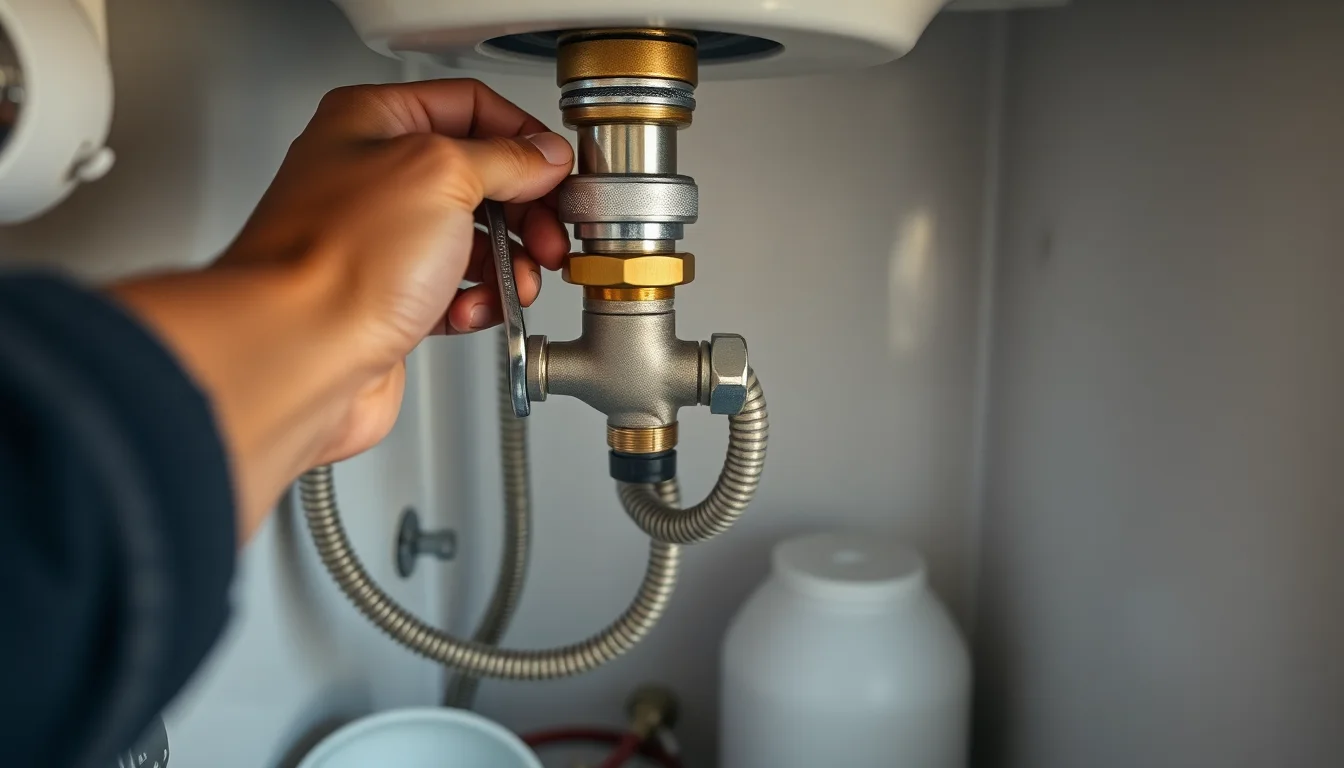
The stop tap cuts the supply to the whole home. The Met Office says it is usually under the kitchen sink. It can also sit where the mains pipe enters the house. Turn it clockwise until it stops, because that closes the valve.
A stiff tap may need steady, even pressure. If you cannot find it, read where your stop tap is likely to be. Testing it twice a year helps, because a seized tap is no use in an emergency.
Step 2: switch off the boiler
Turn off the boiler and the heating. This follows the Met Office advice on burst pipes. A boiler should not run while water escapes from the system.
Then open the cold taps to drain the pipes. Leave them open until the flow stops, since that eases the pressure on the leak.
Step 3: keep clear of electrics
Water and electricity do not mix. Keep away from sockets, switches and appliances near the leak. Switch off the power only if you can reach the consumer unit without crossing wet floors.
If you cannot do that safely, stay out of the room. Ask for urgent help and say that water is near the electrics, because that detail shows how serious the job is.
Step 4: contain the water
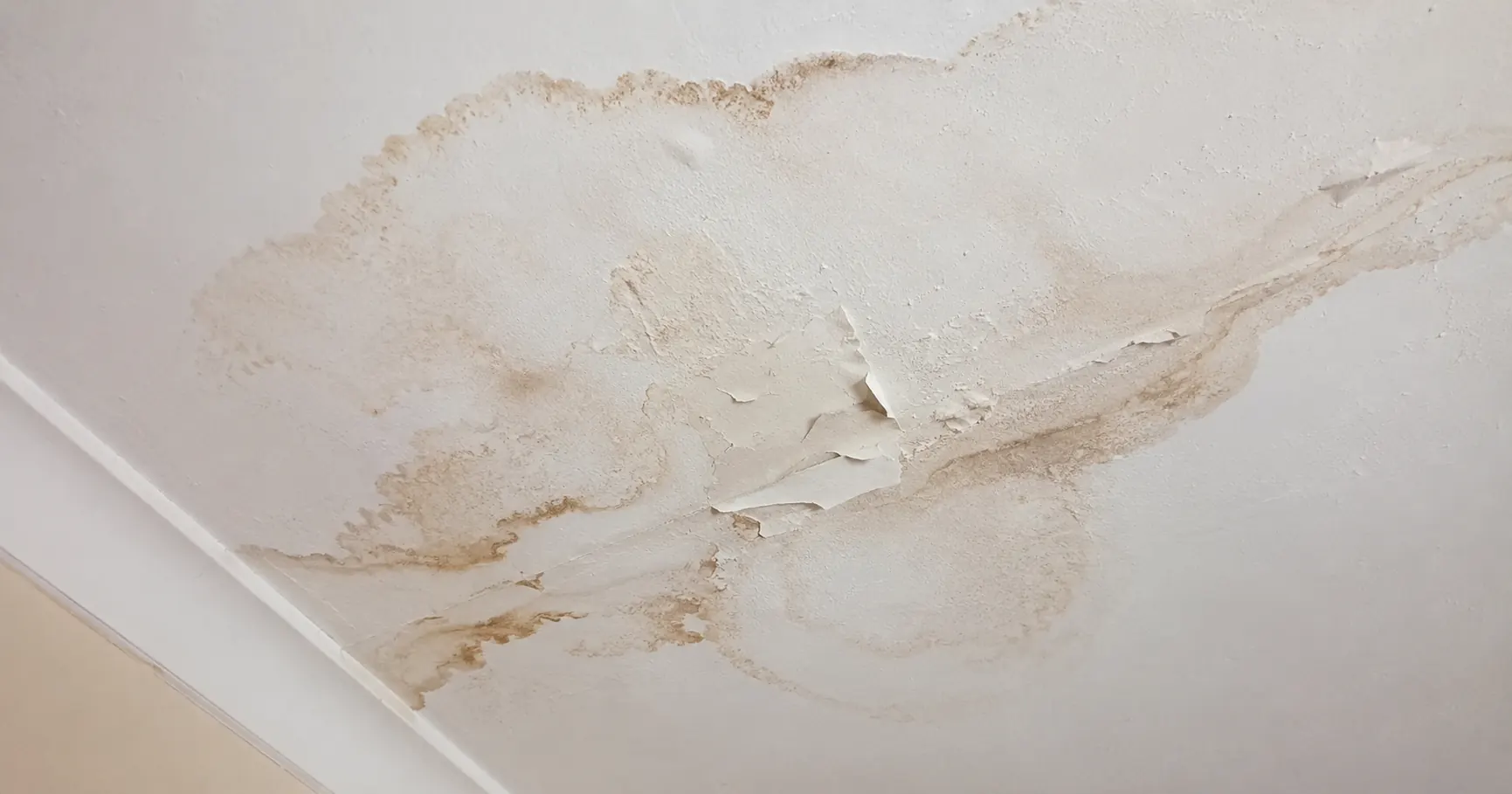
Use towels, mops and buckets to limit the spread. Swap containers before they overflow. Move rugs and furniture away from the wet area. While you wait, open a window if it is safe.
A pan or bowl under a drip buys time. Empty it often, because a full one spills.
Step 5: record the damage
Take clear photos before you clean up. Show the source, the wet walls and floors, and any damage. Your insurer may ask for them. Clear the way to the stop tap and the leak, so the plumber can start at once.
What counts as an emergency
Some faults cannot wait. Others can be booked for working hours.
- A burst pipe or a leak you cannot slow.
- Sewage backing up through a toilet or drain.
- Water spreading near sockets or wiring.
- No water at all in freezing weather.
A dripping tap or a slow sink is not an emergency. However, if a slow drain stops draining, treat it as urgent. Our guide to why drains block explains the difference.
If you smell gas, this is not a plumbing job. Leave the building and follow Cadent’s advice on gas smells.
Why speed matters
Water soaks into plaster, floors and ceilings. A leak left overnight can cost far more than the first repair. Cold snaps add risk, while our guide to frozen pipes in Northamptonshire covers winter steps.
Read the signs of a burst pipe to spot a slow leak early. Boiler trouble is a separate case, so the boiler pressure guide explains it. If your hot water stops, see no hot water: what to check.
Costs and choices
Out-of-hours help often costs more than daytime work. Our guide to what an emergency plumber costs shows typical ranges from three sources. Read how to choose a plumber, since it lists what to ask.
If a leak damages a bathroom, the bathroom fitting cost guide helps you plan a refit. Shops and landlords can read about commercial plumbing. Drain faults vary by town, while blocked drains across the Nene Valley compares four. Buyers can check drains with a pre-purchase CCTV survey.
Frequently asked questions
Where is my stop tap?
Often under the kitchen sink or where the mains pipe enters the house. Turn it clockwise to shut the water off, then check that the flow has stopped.
Should I turn the water off overnight for a slow leak?
Yes, if you can reach the stop tap safely, because it stops a small leak growing while you sleep.
Can I keep using the heating after a leak?
No. Switch off the boiler until a plumber has checked the system, since water may be escaping.
Get help now
Our emergency plumber service and burst pipe service take requests through the form at any hour. Mark your request urgent. For sewage or a blocked drain, see blocked drains. You can also see all our services and the areas we cover.
In Northampton, see emergency plumbers in Northampton. Near Daventry, see plumbers in Daventry. In Corby, see plumbers in Corby. Around Roade, see plumbers in Roade. Around Bicester, see plumbers in Bicester. Each page explains local coverage, while the form works for every town.
We cover Northampton and a 30-mile radius, while the request form is open 24/7. Our engineers are Gas Safe registered.
Last updated 2 October 2026
Related Services
Emergency Plumber
Help for burst pipes, bad leaks and heating failures across Northampton and towns within 30 miles. The request form is open 24/7, so you can send details while the problem is fresh.
Learn more →Burst Pipes & Leak Detection
Burst pipe repair and leak finding across Northampton and towns within 30 miles. Turn off the stop tap first, then send an urgent request while you mop up.
Learn more →Blocked Drains & Toilets
Blocked toilets, sinks and underground drains across Northampton and towns within 30 miles. We also help you work out who owns the drain, since that decides who pays.
Learn more →