The short answer
A drain that serves only your home, inside your boundary, is normally yours to clear. A shared drain, or the pipe beyond your boundary, is usually the water company’s. Since the rules are not obvious, a camera survey can show where the fault sits.
What Citizens Advice says
Citizens Advice sets out who repairs drains and sewers. It gives four simple cases, although some homes do not fit them.
- A private drain inside your boundary belongs to you.
- A lateral drain outside your boundary belongs to the water company.
- Public sewers belong to the water company.
- A private sewer shared by several homes belongs to those owners jointly.
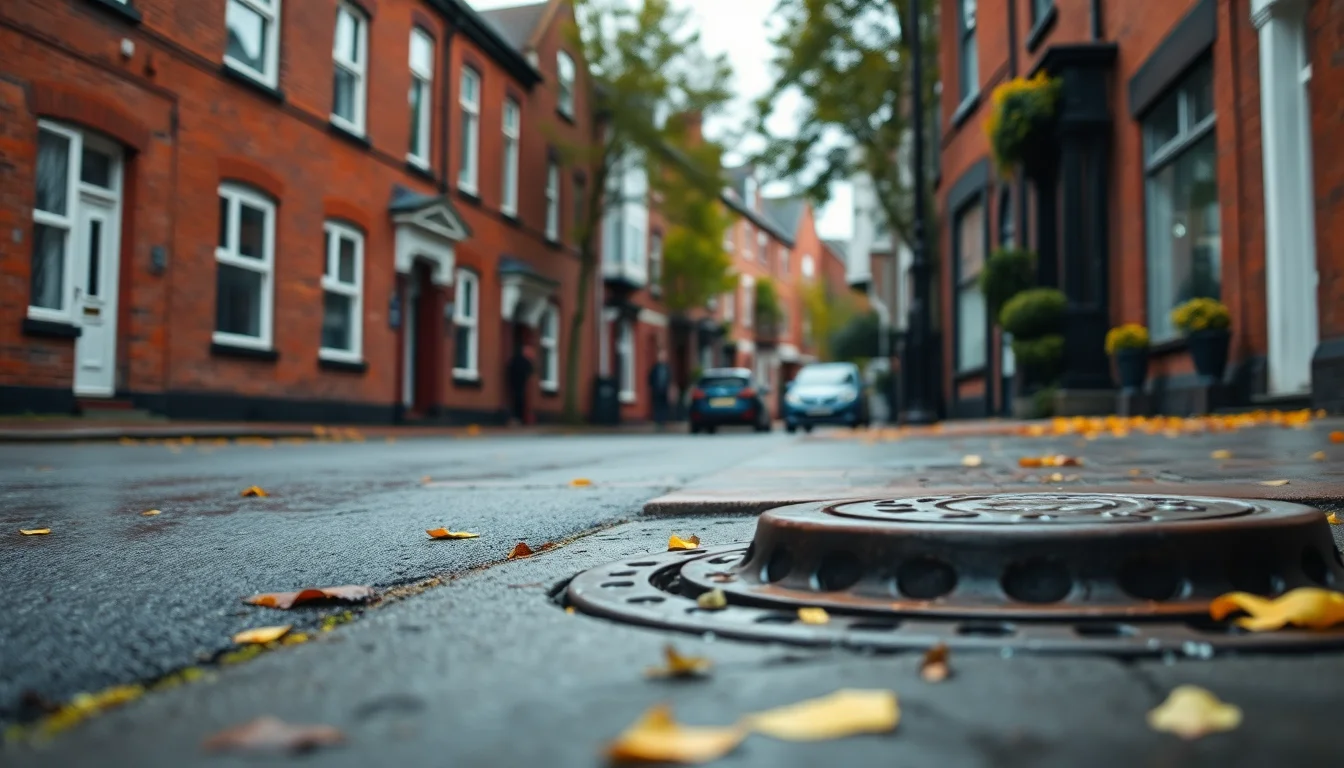
A lateral drain is the pipe that carries waste from your boundary to the public sewer. It often runs under a pavement or road, which is why it is not yours.
The 2011 transfer
Many private sewers and lateral drains moved to the water companies on 1 October 2011. The old regulations are now revoked, but the transfer date still matters. Some private or unadopted sewers still exist, so check with your sewerage company.
Your local water company may be Anglian Water, which covers much of Northamptonshire. Other firms cover some areas. Check your water bill to see who provides your sewerage service.
How to tell whose drain it is
Start by asking who is affected. If only your sinks and toilets are slow, the fault is probably in your own drain. Yet if neighbours have the same trouble, the blockage may sit in a shared run or the sewer.
Location is a second clue. Trouble near your own fixtures points to private pipework. A full manhole near the boundary points to the wider network. These are pointers, not proof, so the safest test is to look inside the pipe.
What to do in each case
For a private drain, get it cleared and keep a note of the work. Our blocked drains service covers this. Our guide to why drains block lists the common causes. Reporting a fault outside your boundary is a different step, so read how to report a blocked drain or sewer.
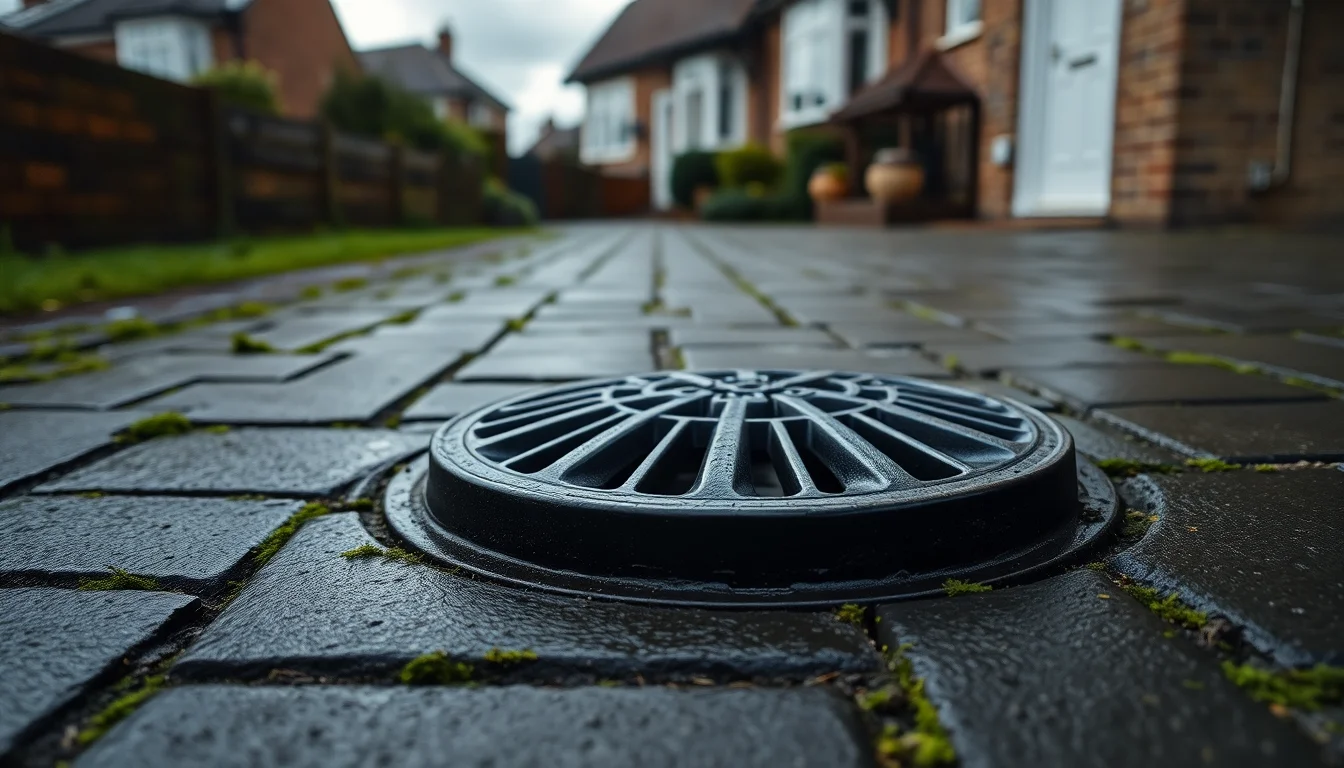
A blockage in the yard or driveway is common. Our guide to a blocked drain outside the house walks through the checks. Drainage trouble differs between towns, while our notes on blocked drains across the Nene Valley compare four of them.
Why a CCTV survey settles it
A CCTV drain survey feeds a small camera along the pipe and records what it finds. A good report marks each defect on a plan. That lets you see which side of the boundary the fault is on.
The record is clear, so it also helps if you disagree with a neighbour or a water company. Our guide to CCTV drain surveys shows what a report contains. Costs vary, yet the CCTV drain survey cost guide gives typical prices from two sources.
Buyers, landlords and businesses
Buyers should know which drains they will own. A pre-purchase CCTV survey checks this before you commit. Landlords have extra duties for rented homes, and our landlord plumbing checklist covers them.
Firms with several units face shared pipes more often. Our notes on commercial plumbing in Northampton explain why a plan helps. Water from a burst pipe can reach a drain, so see the signs of a burst pipe.
Frequently asked questions
Is a blocked drain always my responsibility?
No. If the drain serves only your home, it usually is. However, a shared drain or the pipe beyond your boundary normally falls to the water company.
What is a lateral drain?
It is the pipe between your boundary and the public sewer. The water company normally maintains it.
Who looks after a drain shared with my neighbours?
Citizens Advice says a private sewer shared by several homes belongs to those owners jointly. However, many moved to the water companies in 2011. Check with your sewerage company first.
Get help with a blocked drain
Use the online form to describe the symptoms and name the affected fixtures. Mark it urgent if sewage is backing up, because that cannot wait. You can also see all our services and the areas we cover.
For drains in Daventry, see blocked drains in Daventry. In Corby, see plumbers in Corby. Around Rugby, see plumbers in Rugby. In Northampton, see plumbers in Northampton. Near Market Harborough, see plumbers in Market Harborough. Each page explains local coverage, while the form works for every town.
We cover Northampton and a 30-mile radius, while the request form is open 24/7. Our engineers are Gas Safe registered.
Last updated 2 October 2026
Related Services
Blocked Drains & Toilets
Blocked toilets, sinks and underground drains across Northampton and towns within 30 miles. We also help you work out who owns the drain, since that decides who pays.
Learn more →CCTV Drain Survey
Camera surveys of your drains across Northampton and towns within 30 miles. See what is wrong without digging, because the camera does the looking.
Learn more →